
Why the Best Sports Bar Isn't Always the Biggest One
April 9, 2026
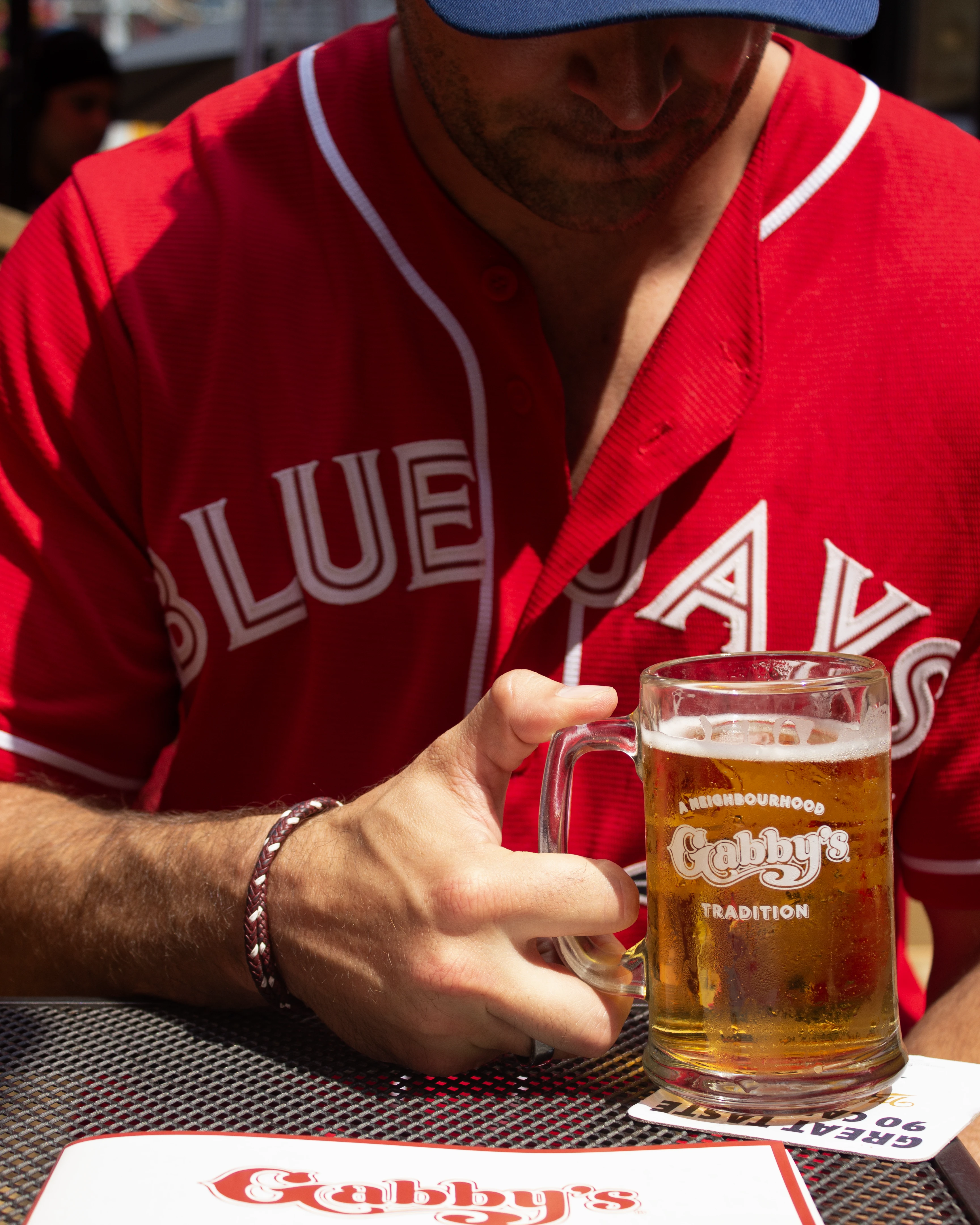
If you've ever watched a Leafs playoff game at a venue so large and loud that you couldn't hear the commentary, couldn't flag down a server, and couldn't see the score from your seat — you already know the problem with big sports bars.
Toronto has plenty of them. Giant venues with towering screen arrays, hundreds of seats, and the kind of marketing budgets that keep them top of mind. And for certain occasions — a massive watch party, a major event — they serve a purpose. But for the experience of actually watching sports with friends, in a setting that delivers on every level, bigger is rarely better.
The Service Problem
Large venues with 400+ seats face a fundamental challenge: consistent service becomes exponentially harder as size increases. More tables mean longer waits. More guests mean more distance between you and the kitchen. The economics of running a giant space often push operators toward fewer staff, simplified menus, and systems optimized for throughput rather than experience.
At a neighbourhood sports bar, the math works differently. Smaller, more manageable floor sizes allow for attentive service, kitchen teams that can deliver food quickly, and staff who actually know their regulars. When you order a round of wings at a neighbourhood Gabby's location, it arrives — consistently, correctly, and promptly.
The Screen Quality Question
Here's something that surprises people: you don't need 50 screens to have a great sports viewing experience. You need the right screens, in the right positions, with the right sight lines. A well-designed space with a dozen large, strategically placed HD screens delivers a better experience than a cavernous room where half the seats have an obstructed or distant view of a wall-mounted display.
Every Gabby's location is designed so that great sports viewing isn't restricted to a 'good' section of the bar. Multiple large high-definition flat screens mean that every seat — whether you're at the bar, in a booth, or at a table — gives you a clear, quality view of the game.
The Food and Drink Difference
Large sports venues often operate on volume. The menu is simplified, the food is pre-prepared where possible, and the focus is on moving product quickly. That means frozen product that gets reheated, generic bar snacks that arrive lukewarm, and cocktails that come from a pre-made mix.
At Gabby's, everything is made from scratch at every location, every day. The award-winning wings are fresh, not frozen. The hand-battered fish and chips are made to order. The made-to-order chicken tenders are exactly that — made to order. When you're settling in for a four-hour playoff game, the quality of what you're eating and drinking matters. A lot.
The Community Factor
Perhaps the biggest difference between a great neighbourhood sports bar and a large venue is the community element. Gabby's locations across the GTA are home to local sports fan clubs, fantasy football leagues, and regular watch-party groups — people who come back week after week because they're invested in the place, not just passing through.
That regularity creates something money can't buy: an atmosphere with genuine stakes. When the Leafs score, it means something to the people in the room — because they're the people who are always in the room. That feeling can't be manufactured at scale.
So Where Should You Watch the Game?
The next time the Leafs are in the playoffs, the Raptors are pushing for a championship, or Sunday NFL football starts — consider your neighbourhood Gabby's. Great screens. Consistent service. Made-from-scratch food and ice-cold beer. A crowd that's been coming back for years. Sometimes the best seat in the house isn't in the biggest building.